Buchanan Rehabilitation Centre Clinical Team Leader, Dianne Bartlett, and Programme Coordinator, Tangi Poko, share their vision and passion for the centre’s sensory garden – a project designed to give residents therapeutic benefits found in nature.

Every plant in the garden serves a multi-purpose function, offering a range of benefits from medicinal properties to culinary uses.
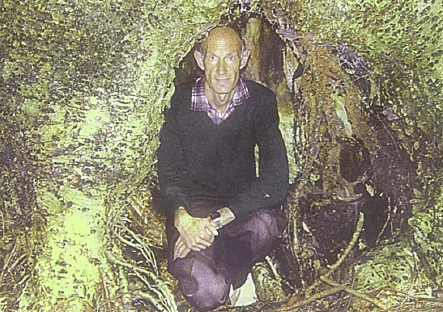
The project was made possible thanks to an extraordinary legacy left by nature-loving Desmond Schollum, who was cared for at Auckland City Hospital and chose to leave a gift in his will to help future patients, clients and wh?nau within the hospital and its associated sites.
Buchanan Rehabilitation Centre is a specialist 40-bed mental health facility, which focuses on recovery, and offers comprehensive assessment, treatment, and rehabilitation in a safe environment with high-level clinical support.

The sensory garden was a co-design project between the Buchanan Rehabilitation Centre, a landscape design house, and designers at Auckland City Hospital (Ara Manawa). The collaborative partnership enabled the team to select the perfect plants, placements, and design elements to bring their joint vision to life – creating a truly unique therapeutic space that will benefit residents and their wh?nau for many years to come.

“The sensory garden is carefully designed to incorporate a variety of plants that cater to multiple senses, including touch, taste, and smell. Every plant in the garden serves a multi-purpose function, offering a range of benefits from medicinal properties to culinary uses. The garden’s design also incorporates sensory modulation, which includes the path’s texture, allowing individuals to feel the crunch beneath their feet,” says Dianne.
The project was carried out as part of Auckland City Hospital’s wh?nau rooms rejuvenation project, which was funded by donations to the Auckland Hospital Foundation, including Desmond’s incredibly generous $896,000 gift.
The garden offers multiple benefits through connection with nature; it provides a peaceful and calming environment, which allows residents to reconnect with the natural world.
The garden’s usable space enables exercise groups and social activities to promote both physical and mental wellbeing; it also features native stones and plants that hold cultural and spiritual significance, such as harakeke (flax), which integrates M?ori culture by following traditional processes, like saying a karakia (prayer) before the flax is cut for the centre’s popular weaving activities.
The sensory garden is a calming space that showcases the impact of nature-based therapy on mental health and wellbeing.
With mental health increasingly recognised as vital to overall wellbeing, this innovative project highlights the importance of providing holistic and inclusive approaches to healthcare. The garden’s engaging environment has the potential to help improve residents’ daily lives by supporting their journey towards recovery and rehabilitation.
You can help our hospital help you.
Your support will help Auckland City Hospital’s teams do even more for patients and whānau in their care, beyond what government funding can provide.