We sat down with Allan McLachlan, a final-semester Bachelor of Health Science Nursing student at AUT and Rise scholarship recipient, to hear about his journey into nursing, what's helped him along the way, and why – after 20 years working at Auckland City Hospital – he decided to make it official.
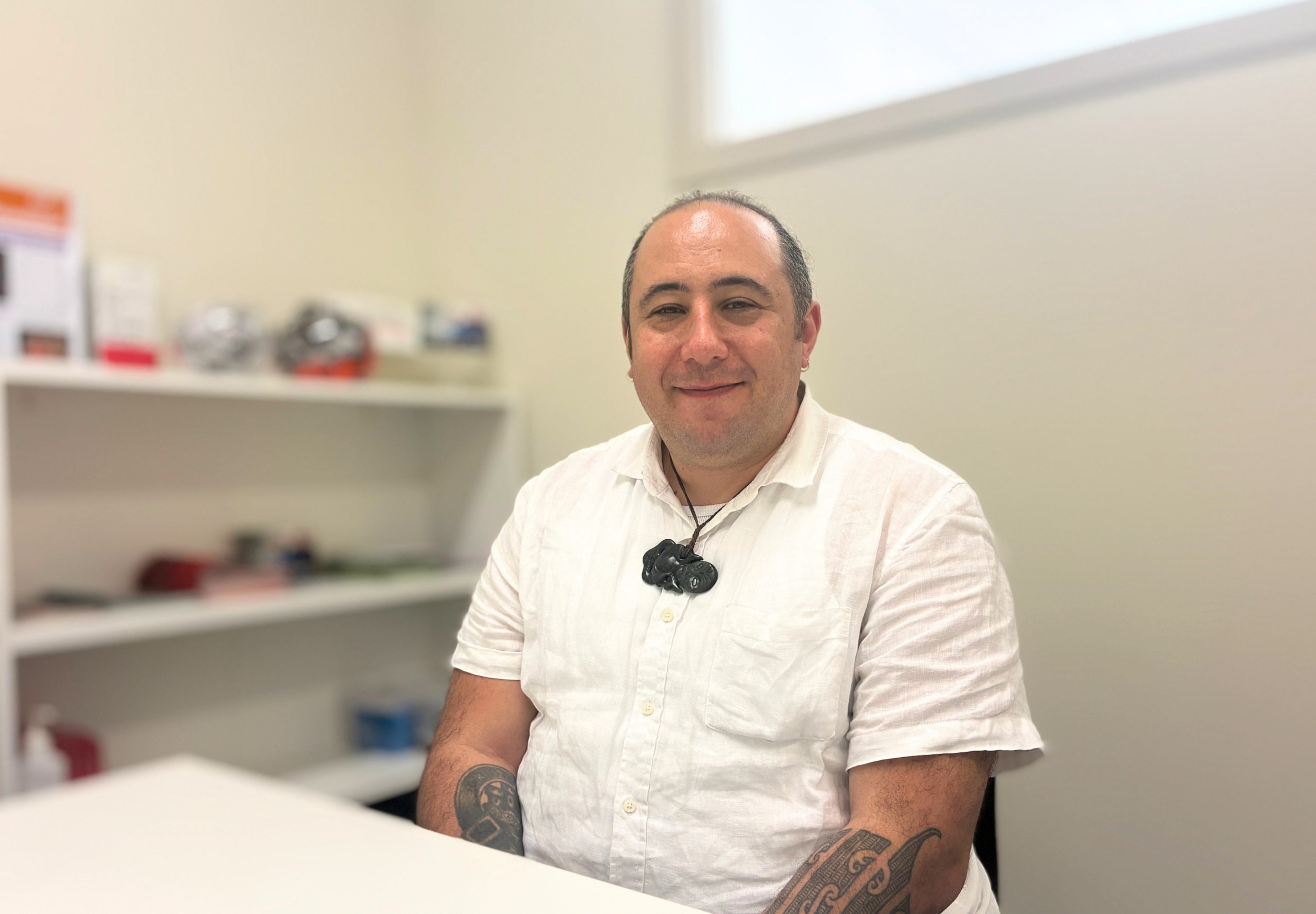
Can you introduce yourself and tell us a bit about your background?
My name is Allan McLachlan. I'm in my final semester at AUT, doing a Bachelor of Health Science Nursing. But I've been working at Auckland City Hospital for about 20-odd years; I'm currently in the Adult Emergency Department. The hospital has been a big part of my life.
What does a typical week look like for you right now?
Right now it's still pretty full on, but I've just finished the semester, which was even more full on! It meant full-time study plus extra revision, as well as full-time placements. On top of that, there's trying to fit in work, because I still have to pay for things like food and accommodation. So making it all work is really quite tough.
Balance is a huge thing. You learn this new skill, or maybe you don't learn it... it is very hard. I've never felt fatigue like this before – in zombie mode sometimes. But it's worth it. That's what student life looks like.
Why did you choose nursing as your career path?
When I was a young boy, I wanted to be a superhero, like most boys do. And then as an adult, you realise the reality of the world is a bit different, so it's more about getting a job where you can positively affect the community.
Working in the hospital has always felt good. Seeing the nurses – their job satisfaction, the wide range of people who can be a nurse – it's about being open-minded. Anyone can be a nurse if they put the effort in. I thought, that's me, I want to help people.
My life mission is: if you can make one positive impact on one person in a day, then you're doing well.
I want to be a positive role model for Māori and other indigenous and minority communities who have historically had negative experiences with the health system. If I can be a friendly face that shows we actually care – that's huge. It's one of the main reasons I wanted to become a nurse.
What have been some of the highlights of your training?
I've been lucky to have a wide range of placements. I got a placement in the prison – a maximum security facility and the Mason Clinic. I also did critical care and specialist wards. My most recent placement was in Respiratory on Ward 72, helping people post-surgery, including lung transplant patients. There's a lot of rehab and a lot of holistic care, because mental health is a big part of recovery with those kinds of life-threatening procedures.
I also have personal reasons for loving Respiratory, as I've got family members with respiratory illnesses, so learning about it has really helped me look after them too.
I recently had an interview for a graduate position in the Respiratory ward, and I came recommended by the senior staff there, which was really good for my confidence. You work so hard, and then you get nervous about jumping into the unknown, so to feel valued like that is really helpful.
What's been the most challenging part of your journey?
There are a lot of layers to that. The emotional and physical demands are huge – you see people at their most vulnerable, sometimes receiving the worst possible news, and that takes a real toll. You're also working long shifts, not getting paid for placements, and still having to work to survive.
My family isn't up here, so it's just me.
Nursing pushes you outside your comfort zone all the time. It's high pressure and it fatigues you. Trying to look after yourself is probably the biggest lesson – it's not just time management, it's being kind to yourself. You do it for everyone else, and you always forget to do it for yourself.
Why did you apply for the Rise Scholarship and how has it helped?
I didn't know it existed until someone mentioned it to me. And it really was helpful – you're not getting paid as a student, you're the one paying. So the financial side really helps with things like books, or when my laptop died, I was able to replace it. It's all the things you need for your course.
It's not just the financial aid. The support side is huge. The first two years, they often checked-in and gave me pep talks. In third year, which is killer, I seek them out more. It's a two-way system.
And because they've taken a chance on me, I can't let them down. It's extra motivation. I want to show people that I'm worth the shot they took on me.
There's a lot of pressure, but having that scholarship helps financially and also having that support and people to lean on when family isn't around.
What would you say to a student thinking about applying for the Rise Scholarship?
Absolutely do it. A lot of people think scholarships are for geniuses. You don't need to be perfect.
You just need to care and be motivated. The support is amazing and the financial aid is incredible. I'd recommend it without hesitation.
My advice, for any nursing student, is to figure out early what you want to get out of nursing – what kind of nurse you want to be, not just as a specialty, but as a person. It makes the journey a lot easier, because it's harder to realise halfway through that it's not for you. Know what's ahead of you, and make sure you're ready for it.
What would you like to say to the donors who support the Rise scholarship programme?
To everyone who makes donations and supports Rise scholarships, I really want to show my biggest thanks. I think all people in my position, receiving help from our scholarships, would be so grateful for the support. I don't think I could have done it without that support. If everyone was as supportive as that, I think the world would be a better place for it.
Watch Allan's message here >
Rise scholarships support aspiring nurses and midwives to overcome the challenges they face while training. To find out more or support the programme, click here.
You can help our hospital help you.
Your support will help Auckland City Hospital’s teams do even more for patients and whānau in their care, beyond what government funding can provide.