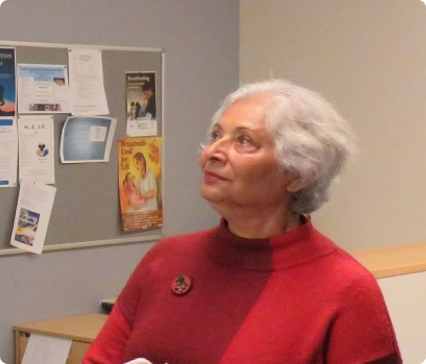
We sat down with Cardiothoracic Surgeon, Dr Christine Goh, who is at the forefront of Minimally Invasive Mitral Valve Surgery in New Zealand. She explains the benefits for patients and how donations can support the innovation’s growth and sustainability.

Every bit counts towards what we, as frontline health professionals, are able to deliver in terms of improving patient outcomes.
Tell us about your background and your role here at Auckland City Hospital.
I’m a Consultant Cardiothoracic Surgeon at Auckland City Hospital and I trained in New Zealand and Australia. During my training and fellowship, I spent two years in Sydney doing a lot of minimally invasive surgeries, heart and lung transplantation, and mechanical circulatory device implantation.
I was then approached by Auckland City Hospital to return as a consultant surgeon, and here I am! I’m currently the Clinical Lead for the minimally invasive cardiac (heart) surgery team, and I’m also heavily involved in heart and lung transplantation.
What are the best and most challenges parts of your job?
The best part of my job is working with an amazing team of people who do incredible things to improve patient outcomes. When we can use innovation, new technologies or advances in surgical techniques, we improve patient care, which also translates into less stress for their families because patients generally get better very quickly.
The most challenging part of my job is delivering what we do, on a daily basis, in the current healthcare system.
The healthcare system comes with constraints, in terms of financial support, as well as resources. I think that’s where lateral thinking about innovative ways to find funding comes in, whether that’s through donations or industrial partnerships to make things happen.
What sets your work apart from other hospitals in New Zealand, and how does it compare to worldwide work in your field?
Here at Auckland City Hospital, we started what we call ‘Minimally Invasive Mitral Valve Surgery’ in December 2023, following a two-year approval process for my business case proposal.
The difference between traditional versus minimally invasive surgeries is that, traditionally, we would make a big cut through the breast bone; while with a minimally invasive approach, instead of cutting through the breast bone, we go through the side of the chest between the ribs, which means less trauma for the patient undergoing the same operation.
A lot of research and studies have shown that, through this new approach, patients generally have a better recovery. They have less pain, less time with a breathing tube, are less likely to have breathing problems in transfusion and, more importantly, they have fewer breast bone related complications like bone infections or other serious infections. Across the United States, Europe and Australia, the minimally invasive approach is really the standard of care now, because of all of these benefits.
We are the first hospital in New Zealand to use the minimally invasive approach; we’ve now done a handful of these surgeries and everything has been going well.
Apart from improving patient outcomes, we’ve found that medical professionals get better job satisfaction. My anaesthetist and nursing staff, for example, come into theatre and feel they’re achieving something great. They are very motivated to make this programme work, they are learning new skills, and it’s a great team vibe being the first hospital in New Zealand to do this.
How many people have you treated with Minimally Invasive Mitral Valve Surgery?
We hand select patients who are suitable for the minimally invasive programme and, to date (5 October 2024), we have done 17 cases. We’re on the path to doing more, but it is tricky with financial constraints to do the number we want.
With the minimally invasive programme, there are a couple of areas where we need funding support; firstly with medical training and secondly with instrument procurement. The surgeries require specialised instruments that are partly government funded, but with people’s donations we can get more instruments, which means we can perform more surgeries and help more patients.
We were incredibly grateful to receive an initial donation to secure a second set of instruments.
This donation helped us kick-start the programme and has meant we can do more cases, which is a great thing. The more instruments and resources we have, the more we can do for the people we treat.
Do you have any memorable cases that stand out?
All cases are memorable, but one case that stands out is a patient who didn’t meet the traditional criteria for surgery. We assess our waiting list to identify the most suitable candidates, but this particular patient (a farmer) fell outside the usual weight requirements. When he came to my clinic, I evaluated him alongside my anaesthetist, and we decided to proceed with minimally invasive surgery.
The patient has done really well, with no complications whatsoever, and he was back working on his farm in no time. It was one of our most satisfying cases; it’s great to be able to help people who want to get back into work and physical activities quickly.

If funding constraints weren’t a factor, what more could you do for New Zealanders you treat?
If funding constraints weren’t a factor, we could do more complex operations. We could progress our minimally invasive programme to include complex valvular heart disease and congenital conditions such as hole in the heart.
Additional funds, from donations, would certainly support the programme’s growth and sustainability.
How can New Zealanders get behind your life-saving work?
Every bit counts towards what we, as frontline health professionals, are able to deliver in terms of improving patient outcomes. Donations help us invest in new instruments and equipment, improve training, and deliver world-class healthcare to New Zealanders when they need us most.
Read about the benefits our supporters are already bringing with the gift of a High-Definition HDC-300 Headlight Camera System here.
To find out more about Cardiovascular Care at Auckland City Hospital, and the difference your donation could make, click here.
You can help our hospital help you.
Your support will help Auckland City Hospital’s teams do even more for patients and whānau in their care, beyond what government funding can provide.