Published research articles
Auckland City Hospital’s research office stands out as the top research organisation in the New Zealand health sector.
Research involving our hospital teams is published by leading global health journals – informing and influencing healthcare professionals to deliver better treatments, in better ways, for better outcomes.
In 2022 alone, from across every Auckland City Hospital department, 759 research articles were published to improve our future healthcare.
These articles are the product of generous investment, for which we are immensely grateful. This incredible calibre of research, led by our world-class Research team, could not have been achieved without significant philanthropic support.
Each year, grants are awarded by the Endowment Fund to research teams following investment by companies, trusts, foundations, and individuals. Every resulting article is impactful in its own way; the following papers are a small sample of articles published in 2023, which are successfully influencing patient care, both locally and around the world.
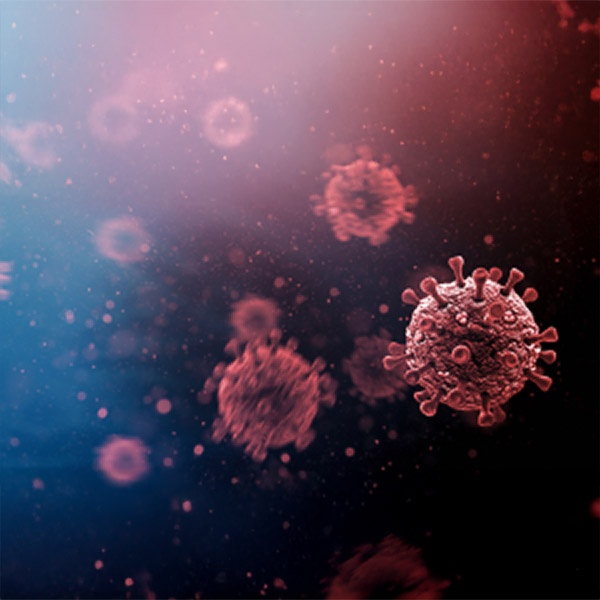
Soluble wild-type ACE2 molecules inhibit newer SARS-CoV-2 variants and are a potential antiviral strategy to mitigate disease severity in COVID-19
Severe acute respiratory syndrome coronavirus 2 (SARS-CoV-2), the virus responsible for coronavirus disease of 2019 (COVID-19), has caused havoc around the world. While several COVID-19 vaccines and drugs have been authorized for use, these antiviral drugs remain beyond the reach of most low- and middle-income countries.
Temporal validation of a multivariable surgical mortality prediction model (NZRisk): a New Zealand national cohort study
Clinical risk calculators (CRCs), such as NZRisk, are used daily by clinicians to guide clinical decisions and explain individual risk to patients. The utility and robustness of these tools depends on the methods used to create the underlying mathematical model, as well as the stability of that model in relation to changing clinical practice and patient populations over time.

Stratified glucose-lowering response to vildagliptin and pioglitazone by obesity and hypertriglyceridemia in a randomized crossover trial
Understanding which group of patients with type 2 diabetes will have the most glucose lowering response to certain medications (which target different aspects of glucose metabolism) is the first step in precision medicine.
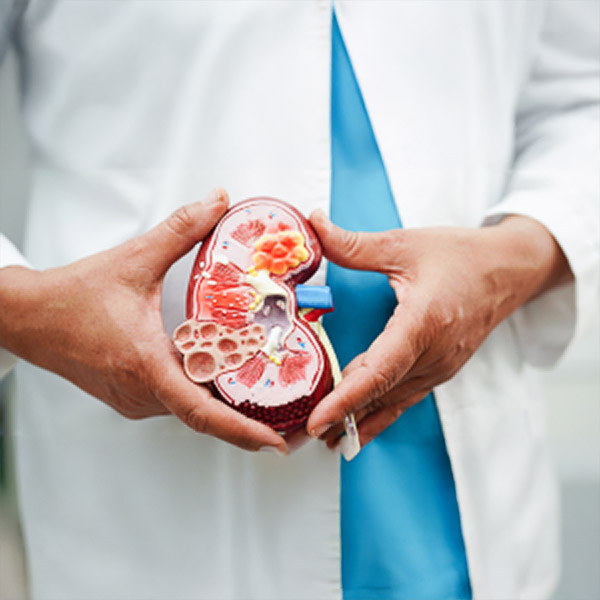
Balanced crystalloid solution vs. saline in deceased donor kidney transplantation (BEST-Fluids): a pragmatic, double-blind, randomised, controlled trial
Delayed graft function (DGF) is a major adverse complication of deceased donor kidney transplantation. Intravenous fluids are routinely given to patients receiving a transplant to maintain intravascular volume and optimise graft function.

Ultra-Long Transfers for Endovascular Thrombectomy-Mission Impossible?: The Australia-New Zealand Experience
Endovascular thrombectomy (EVT) access in remote areas is limited. Preliminary data suggest that long distance transfers for EVT may be beneficial; however, the magnitude and best imaging strategy at the referring center remains uncertain.

Heterogeneous Treatment Effects of Therapeutic-Dose Heparin in Patients Hospitalized for COVID-19
Randomized clinical trials (RCTs) of therapeutic-dose heparin in patients hospitalized with COVID-19 produced conflicting results, possibly due to heterogeneity of treatment effect (HTE) across individuals.

IN.PACT AV Access Randomized Trial of Drug-Coated Balloons for Dysfunctional Arteriovenous Fistulae: Clinical Outcomes through 36 Months
The purpose of this paper was to present the 36-month outcomes of the prospective randomized IN.PACT AV Access study of participants with obstructive de novo or restenotic native upper extremity arteriovenous dialysis fistula lesions treated with drug-coated balloon (DCBs) or standard percutaneous transluminal angioplasty (PTA) following successful high-pressure PTA.

Simvastatin in Critically Ill Patients with Covid-19
The primary outcome was respiratory and cardiovascular organ support-free days, assessed on an ordinal scale combining in-hospital death (assigned a value of -1) and days free of organ support through day 21 in survivors; the analyis used a Bayesian hierarchical ordinal model.
A multi-centre prospective evaluation of THEIA™ to detect diabetic retinopathy (DR) and diabetic macular oedema (DMO) in the New Zealand screening program
A total of 900 patients were recruited from either an urban large eye hospital, or a semi-rural optometrist led screening provider, as they were attending their appointment as part of New Zealand Diabetic Eye Screening Programme.

Intravenous Vitamin C for Patients Hospitalized With COVID-19: Two Harmonized Randomized Clinical Trials
The primary outcome was a composite of organ support-free days defined as days alive and free of respiratory and cardiovascular organ support in the intensive care unit up to day 21 and survival to hospital discharge. Values ranged from -1 organ support-free days for patients experiencing in-hospital death to 22 organ support-free days for those who survived without needing organ support.

Outpatient balloon catheter vs inpatient prostaglandin for induction of labor: a randomized trial
Approximately 1 in 4 pregnant women undergo induction of labor. Meta-analyses have shown that mechanical methods of induction of labor are safe and effective, as is starting induction in an outpatient setting. However, few studies have evaluated outpatient balloon catheter induction in comparison with pharmacologic methods.
Browse recently published research articles by department
Renal Disease & Transplant research articles
Genetics research articles
Pathology & Lab research articles
Infectious Diseases & Microbiology research articles
Respiratory Medicine research articles
Support New Zealand’s largest clinical research facility.
Our research projects have the capacity to transform healthcare, but as they typically sit outside the scope of government funding, these projects require external investment. The team relies on us to take research and discovery to the next level.


Help this team make more
ground-breaking discoveries.
Your support will help Auckland City Hospital’s teams do even more for patients and whānau in their care, beyond what government funding can provide.